
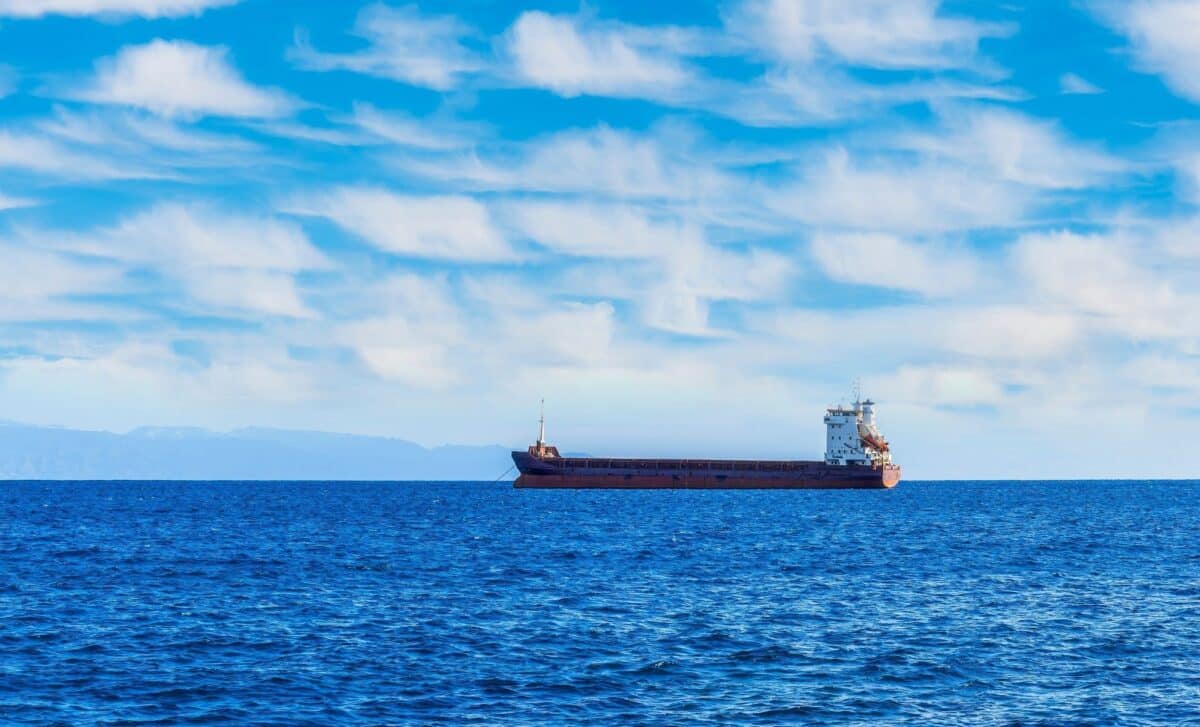
U.S. military forces have seized a fifth oil tanker tied to Venezuelan crude exports, as part of an expanding maritime enforcement campaign targeting sanctioned oil shipments. The vessel, Olina, was intercepted in the Caribbean during a pre-dawn raid carried out by U.S. Marines and Coast Guard personnel, with logistical support from the USS Gerald R. Ford aircraft carrier.
Dassault Aviation Close To Selling 114 Rafales To India
Military Operation and Vessel Background
The U.S. Southern Command confirmed that troops from Joint Task Force Southern Spear boarded the Olina in international waters. According to a public statement, the mission was conducted in coordination with the Department of Homeland Security and aimed at “restoring security in the Western Hemisphere” by disrupting illicit maritime activity. A U.S. military helicopter was seen landing on the ship in footage shared online.
Originally known as Minerva M, the Olina had previously been sanctioned for transporting Russian oil. It has undergone a series of name and flag changes, currently claiming registration under Timor-Leste. However, the Associated Press reports that the ship appears to be sailing under a false flag, and its official ownership was transferred to a Hong Kong-based company in July 2025.
The Olina reportedly has a cargo capacity of 890,000 barrels, potentially worth $53 million at current oil prices. Its last known transmission was in November, after which it stopped broadcasting its location, a tactic often employed by so-called ghost fleet vessels attempting to avoid detection.
Once again, our joint interagency forces sent a clear message this morning: “there is no safe haven for criminals.”
— U.S. Southern Command (@Southcom) January 9, 2026
In a pre-dawn action, Marines and Sailors from Joint Task Force Southern Spear, in support of the Department of Homeland Security, launched from the USS Gerald R.… pic.twitter.com/StHo4ufcdx
Seizure Sparks Tensions
In a post on Truth Social, President Donald Trump claimed the vessel left Venezuelan waters “without our approval” and stated the seized oil would now be sold under the new GREAT Energy Deal. He emphasized that the U.S. intends to rechannel Venezuela’s oil wealth into rebuilding the country’s infrastructure and aiding energy markets.
The U.S. has ramped up efforts to intercept tankers suspected of violating sanctions against Venezuela, Russia, and Iran. Just days before, two other tankers, Marinera and M/T Sophia, were also seized in separate maritime operations. Officials describe these ships as part of a shadow fleet involved in circumventing international trade restrictions.
Homeland Security Secretary Kristi Noem confirmed the Olina‘s interdiction and called it part of a wider crackdown on illicit maritime trade. She warned that ghost fleet vessels “will not hide under false claims of nationality” and that U.S. forces will continue to “eliminate funding streams for illicit activity.”
Oil, Power, and Policy
The seizure comes as U.S. energy policy increasingly intersects with foreign affairs. President Trump, fresh off the capture of Nicolás Maduro, has tied Venezuela’s oil sector to his economic agenda. In a televised interview, he outlined plans for major U.S. oil companies to invest up to $100 billion in rebuilding Venezuela’s energy infrastructure.
Executives from leading firms, including Chevron, Shell, Valero, and ExxonMobil, have been invited to the White House for high-level discussions. While critics warn of potential overreach, U.S. officials maintain that maritime enforcement is consistent with international law, especially when targeting vessels operating under false registries or dark signals.
For its part, the Venezuelan government has condemned the seizures, accusing the U.S. of using legal pretexts to confiscate sovereign resources. The standoff adds tension to an already complex geopolitical environment shaped by sanctions, global oil prices, and power shifts in Latin America.