
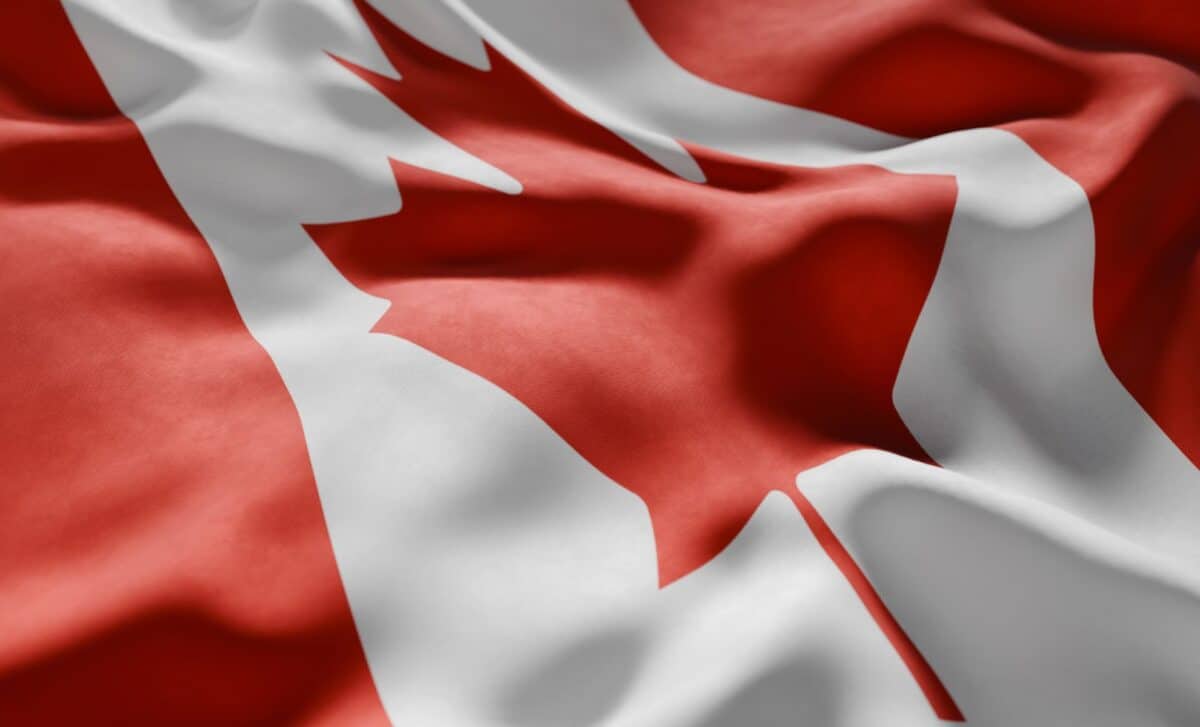
In a move that raised eyebrows across the defense world, Canada recently modeled a full-scale invasion, by the United States. While the scenario might sound like the plot of a dystopian thriller, it was a calculated military exercise designed to expose weaknesses in Canada’s national defense strategy.
North Korea’s Nuclear Production Surges, Up To 20 Bombs Annually
A Simulation Designed To Stress-test Defenses
This wasn’t a plan for conflict, it was a conceptual scenario, built to test how Canadian defenses would respond to an overwhelming military threat from its closest ally. The math alone is telling: Canada has around 60,000 active military personnel, while the United States fields over 1.3 million. In the modeled invasion, U.S. forces would launch a rapid assault from the south, with major Canadian positions potentially falling within two to seven days.
The exercise was grounded in standard military planning practice: testing extreme but low-probability events to reveal gaps in command, communication, and readiness. According to defense sources cited in TRT World and The Defense Post, the scenario also highlighted how quickly traditional defenses could be overwhelmed, and what would need to happen next to sustain resistance.
How Canada Plans To Fight Back When Outgunned
Knowing that a conventional battle would be lost quickly, Canadian planners pivoted to non-conventional defense strategies. The simulation explored tactics like drone strikes, infrastructure sabotage, and coordinated ambushes, a form of guerrilla warfare adapted for modern tools and terrain.
One of the more striking ideas to emerge was the mobilization of a massive civilian reserve force. General Jennie Carignan, Chief of the Defense Staff, suggested that up to 400,000 volunteers could be recruited in a national emergency. These individuals wouldn’t just provide manpower, they would assist with intelligence, logistics, and local defense operations, serving as a vital support network if formal military lines collapsed.
The North Under Pressure
The simulation may seem far-fetched, but it didn’t come out of nowhere. In recent years, Donald Trump’s unpredictable rhetoric, particularly toward Canada and Greenland, has added uncertainty to what was once a stable strategic relationship. While no direct threat exists, Ottawa took these signals seriously enough to justify widening the scope of defense planning.
At the same time, Canada has intensified its focus on the Arctic, a region growing in strategic value as ice melts and global interest increases. Reuters reports that Ottawa considered deploying troops to Greenland alongside NATO allies, reinforcing Canada’s intent to project stability in a zone where geopolitical rivalries are rising.