
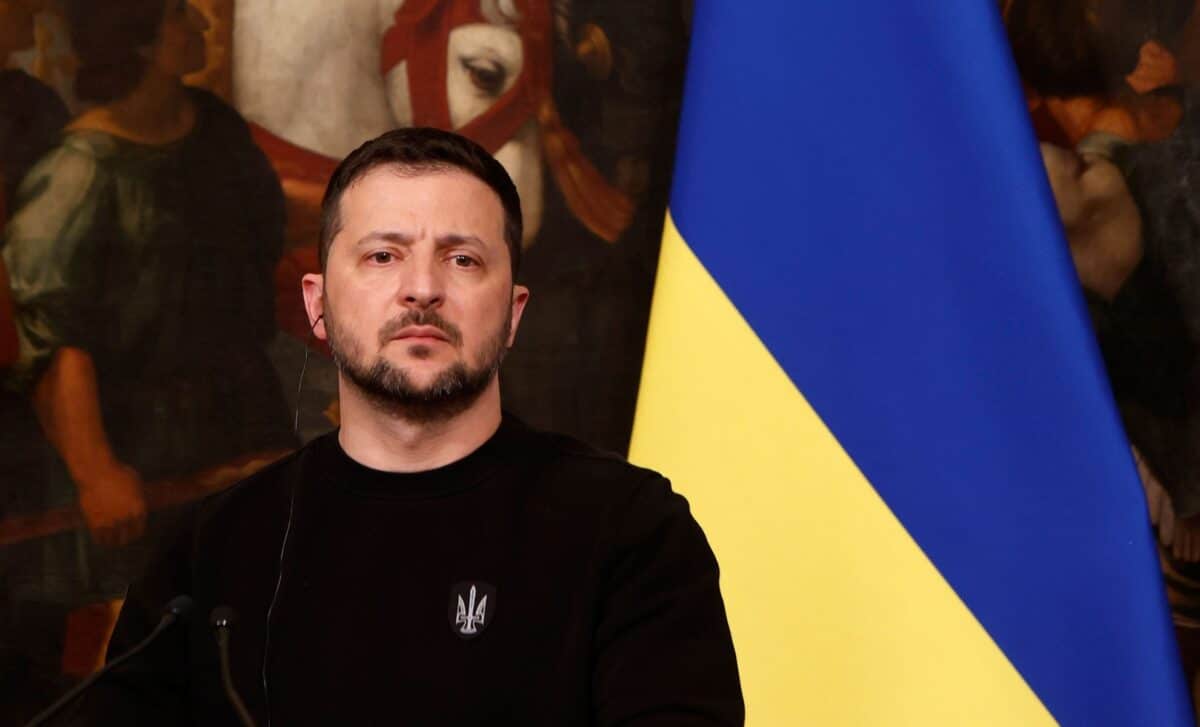
As Ukraine experiences a surge in aerial attacks during the coldest weeks of winter, President Volodymyr Zelensky has intensified his calls for greater support from international allies. With Kyiv under repeated missile and drone strikes, the country’s air defense systems are being pushed to their limits, raising concerns about Ukraine’s capacity to sustain its defensive efforts over the coming months.
Jeff Bezos and Elon Musk Are Turning Orbit into a Battlefield
Kyiv Hit Harder as Russia Steps Up Attacks
Recent weeks have seen a sharp escalation in Russian bombardments targeting Ukrainian civilian infrastructure, especially in Kyiv. According to official statements, over 1,700 drones and hundreds of guided bombs were deployed within the span of a single week.
One of the most immediate consequences has been the breakdown of basic services. Following a major attack on January 24, more than 1,600 buildings in the capital were left without heating. Repair crews have struggled to restore services due to frigid temperatures and the constant threat of new strikes. These conditions have forced residents to endure extended periods of cold and uncertainty.
The current wave of attacks appears consistent with a Russian strategy that has been in place since 2022, disabling electricity grids, heating systems, and water infrastructure to undermine civilian resilience. This winter, however, the scale and intensity of attacks have reached new levels, creating growing urgency among Ukrainian leadership.
Diplomatic Air Defence Drive
In response to the deteriorating situation, Zelensky has embarked on a series of diplomatic missions aimed at securing more frequent and sustained military aid. During a visit to Vilnius, he underlined the need for daily deliveries of interceptor missiles, arguing that Ukraine cannot match the current strike rate without reinforced supplies.
Lithuania, already a strong supporter of Kyiv, announced the delivery of nearly 100 power generators to help municipalities manage heating disruptions. Discussions with President Gitanas Nausėda also explored deeper military-industrial cooperation, including the possible creation of a weapons export hub in Vilnius. This move is part of a broader effort by some European countries to expand their contribution beyond immediate aid, with a focus on long-term defense capacity building.
Diplomatic Talks Remain Underway
Beyond bilateral talks, Ukraine has maintained communication with broader international coalitions. While no major agreements have been finalized, U.S.-mediated negotiations remain active. A follow-up meeting is planned in Abu Dhabi, reflecting continued efforts to coordinate aid across different channels.
Zelensky’s messaging remains clear: Ukraine’s defense against a renewed wave of Russian aggression will depend on how quickly and consistently its allies can respond. Without faster reinforcement, especially in air defense, the risk of long-term damage to both civilian life and military infrastructure remains high.