
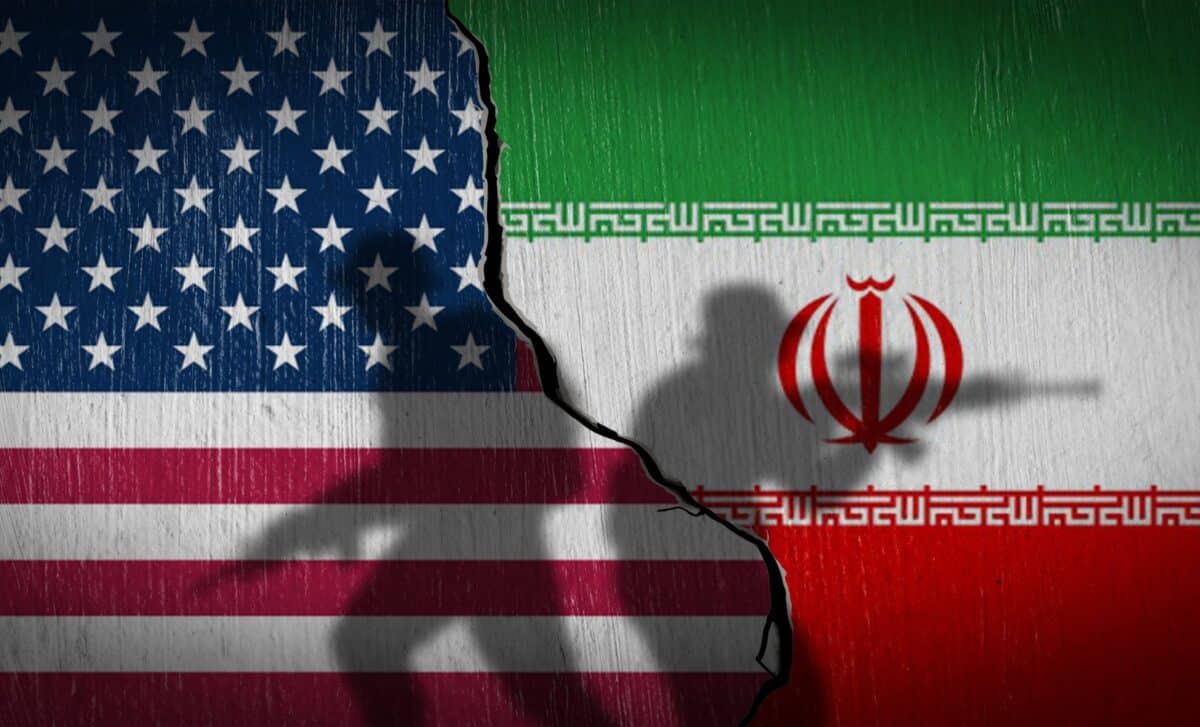
The threat of American military action against Iran’s Islamic Revolutionary Guard Corps (IRGC) is under serious consideration in Washington, according to multiple reports published on January 29, 2026, including an in-depth article from Reuters. The publication outlines how the United States is exploring direct military options in response to mounting tensions in the Middle East, domestic unrest in Iran, and the growing involvement of the IRGC in regional power plays.
Starlink-linked Drone Activity Reported In Latest Ukraine Strike
Revolutionary Guard Seen as Core Target by Washington
The Islamic Revolutionary Guard Corps (IRGC) is viewed by US officials as more than a traditional military entity. It serves as a key instrument of political control, economic influence, and ideological enforcement within Iran. This central role has made it a primary focus in discussions around potential American strikes.
Reports suggest that the US is evaluating several military options, ranging from tactical precision strikes to broader operations aimed at disrupting the IRGC’s leadership and infrastructure. The strategic calculus is clear: weakening the IRGC could destabilize the regime’s inner circle. Yet such a move also risks reinforcing hardline factions if it leads to public backlash or internal consolidation.
U.S. Deployment Signals Readiness and Raises the Stakes
As Washington weighs its options, the US military has increased its regional presence. AP News reports that the USS Abraham Lincoln is now deployed in the Persian Gulf, increasing surveillance capacity and strike readiness.. Officially, this deployment is described as a deterrent posture, but analysts warn it could escalate tensions and increase the likelihood of miscalculation.
Military movements of this kind often create an environment where accidental engagement becomes more likely, especially in contested zones like the Strait of Hormuz. Any incident in this chokepoint, through which a third of the world’s seaborne oil passes, could trigger global energy market shocks and immediate security concerns for regional allies.
🇮🇷🇺🇸THE MIDDLE EAST IS SITTING ON A KNIFE’S EDGE AS U.S. THREATENS TO STRIKE IRAN
— Mario Nawfal (@MarioNawfal) January 30, 2026
Trump sends warships toward Iran, in a move to stop Tehran’s nuclear ambitions and internal protests.
Iran says it’s ready for war and signals that any U.S. strike could ignite a regional chain… pic.twitter.com/AALGIqowMK
Regional Proxies and the Threat of Multi-Front Conflict
The IRGC’s influence extends well beyond Iran’s borders through a network of proxy forces, most notably Hezbollah in Lebanon. Hezbollah leader Naim Qassem has openly declared that his group will not remain passive if Iran is attacked, suggesting that retaliation could come swiftly and from multiple directions.
This raises the specter of a multi-front conflict, involving not only US forces and Iranian assets but also actors in Iraq, Syria, Yemen, and even potentially Israel and Saudi Arabia. A limited strike on the IRGC could thus set off a chain reaction, drawing the entire region into an extended period of instability.