
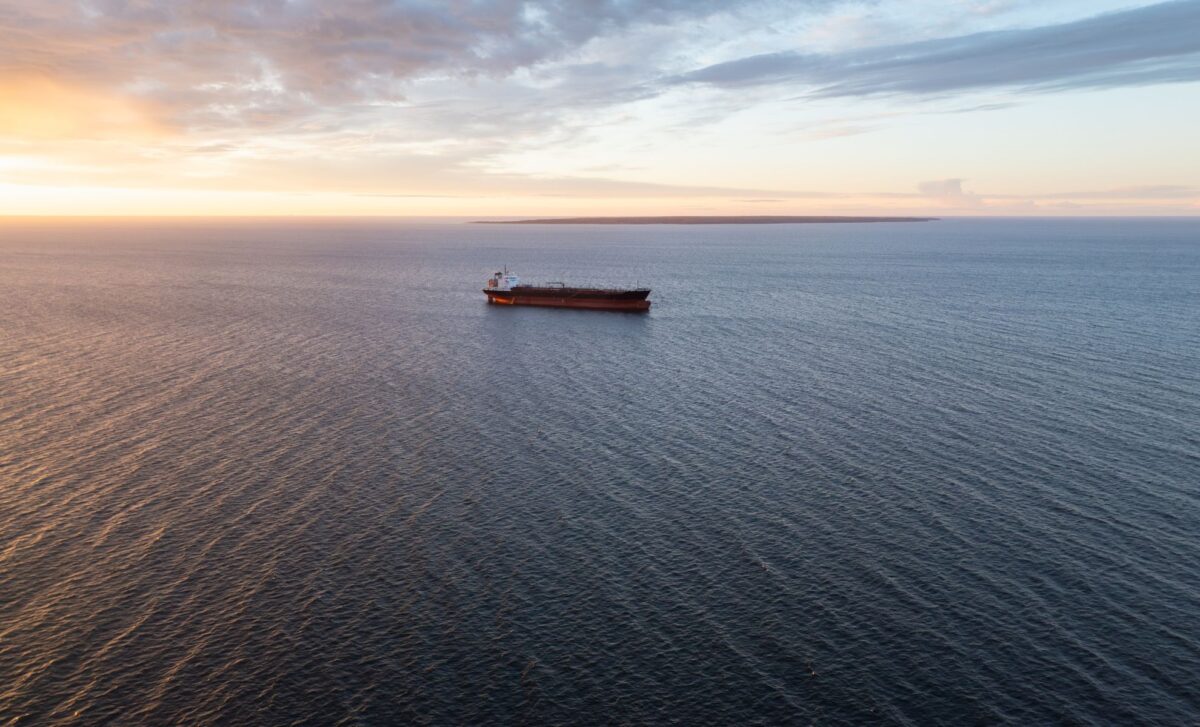
Two Russian oil tankers, identified as part of the controversial ghost fleet, recently experienced mechanical difficulties in the Mediterranean Sea, triggering concern over maritime safety, environmental impact, and geopolitical tensions. The vessels, named Progress and Chariot Tide, were transporting significant volumes of crude oil when they began experiencing failures in highly sensitive maritime zones.
U.S. Military Prepares to Hit Iran’s Most Powerful Force
Mechanical Failures Prompt Emergency Response
Trouble began on January 21, when the Progress began drifting after passing Algeria and issued distress signals. It later reappeared on January 26, transmitting its position north of Tunisia, heading toward Egypt and the Suez Canal, according to Bloomberg. The Chariot Tide experienced separate issues shortly after crossing the Strait of Gibraltar and remained immobilized for around 27 hours before assistance arrived from a Moroccan tugboat.
Reported problems suggest mechanical and steering failures. While such incidents can occur on older vessels, the connection of both ships to the Russian ghost fleet has raised the level of scrutiny. These fleets operate under opaque ownership structures and are often used to bypass international sanctions on Russian oil exports. Their navigation patterns tend to avoid detection or regulation, and the condition of the ships is frequently unknown. The Chariot Tide was recorded moving at only 1.7 knots, far below the usual cruising speed of around 12 knots for the Progress.
Environmental Concerns In A Sensitive Corridor
The Mediterranean is one of the most trafficked and ecologically vulnerable maritime regions in the world. The temporary immobilization of oil tankers, especially near chokepoints like the Strait of Gibraltar, raises the risk of collision or spillage. The Chariot Tide was carrying nearly 48,000 cubic meters of crude oil, while the Progress had over 116,000 cubic meters on board. A spill of that magnitude could have serious effects on marine ecosystems, coastal economies, and tourism.
Local authorities responded quickly. Spanish maritime rescue services deployed a salvage ship and an anti-pollution vessel in case of an emergency. These measures reflect growing concern about the reliability of vessels operating outside regular oversight. Although no spill occurred, the potential consequences were enough to trigger preventive action.
Oil Tankers Face Questions
The recent events have once again brought attention to the Russian ghost fleet, a group of ships that typically operate without transponders, under unknown ownership, and outside regulatory frameworks. These vessels often use older hulls, reduce maintenance standards, and follow unpredictable routes. Their goal is to continue transporting sanctioned oil products while avoiding detection by maritime authorities.
This lack of transparency poses challenges not only for environmental safety but also for global energy policy. As the European Union and its partners continue enforcing sanctions on Russian energy, questions are growing about how effective those sanctions can be if such fleets continue to operate unchecked.