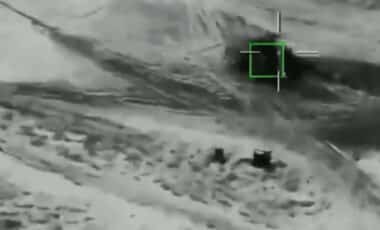


Ukrainian defense officials have accused Russian forces of using Starlink satellite technology to support drone operations in the ongoing war. While SpaceX has denied any formal sale of Starlink terminals to Russia, Kyiv believes the equipment is being used by the Russian military through unauthorized means. The claims, if verified, raise serious questions about the role of commercial satellite systems in modern warfare and the limits of controlling their distribution and usage.
Massive Oil Spill Feared as Russian Tankers Stall in Critical Shipping Zone
Ukrainian Officials Claim Russian Forces Have Starlink Terminals
Ukraine’s military intelligence services recently reported that Starlink terminals, designed to provide high-speed internet via satellite, have been identified among Russian equipment on the battlefield. These terminals were allegedly obtained through indirect channels involving third-party countries, bypassing official sales by SpaceX.
The Ukrainian government has been working directly with SpaceX to counteract this alleged misuse. According to Mykhailo Fedorov, Ukraine’s minister of digital transformation, the defense ministry contacted the company shortly after detecting Russian drones with Starlink connectivity. He emphasized the urgency of finding technical solutions to block unauthorized use.
Elon Musk, founder of SpaceX, responded publicly in February 2024, stating that his company had not sold any terminals to Russia. He also reaffirmed on his social media platform X (formerly Twitter) that Starlink remains the “backbone” of Ukrainian military communications, highlighting the complex dependency Ukraine has on the system.
Threat To Regional Security And Drone Warfare Capabilities
The integration of Starlink technology into Russian drone operations could significantly enhance their combat range and effectiveness. The Institute for the Study of War (ISW) has documented reports of Russian drones using satellite-based communication systems since December. These systems could allow drones to maintain real-time control and data transfer over distances up to 500 kilometers.
Such an operational range would place not only wide areas of Ukraine at risk, but also parts of neighboring countries like Moldova, Poland, Romania, and Lithuania. This development adds a new layer of urgency to regional security discussions, as it demonstrates how commercial satellite networks can be adapted for offensive military purposes.
For Ukraine, the situation is particularly delicate. The same Starlink network that may be exploited by its adversary is also central to its own battlefield communication and coordination. Any misstep in access control or coverage restrictions could hinder Ukraine’s military operations.
International Responses And Calls For Safeguards
International reaction to the accusations has been swift. Poland has offered to cover the cost of Starlink access for Ukraine and publicly called on Elon Musk to restrict Russian access to the system. Musk pushed back, warning that critics may not fully understand the technological and political complexity involved in cutting off access while preserving Ukrainian use.
Tensions between SpaceX and political leaders are not new. In 2025, Musk reportedly threatened to suspend military access to Starlink in Ukraine as part of an effort to influence peace talks supported by the United States.