
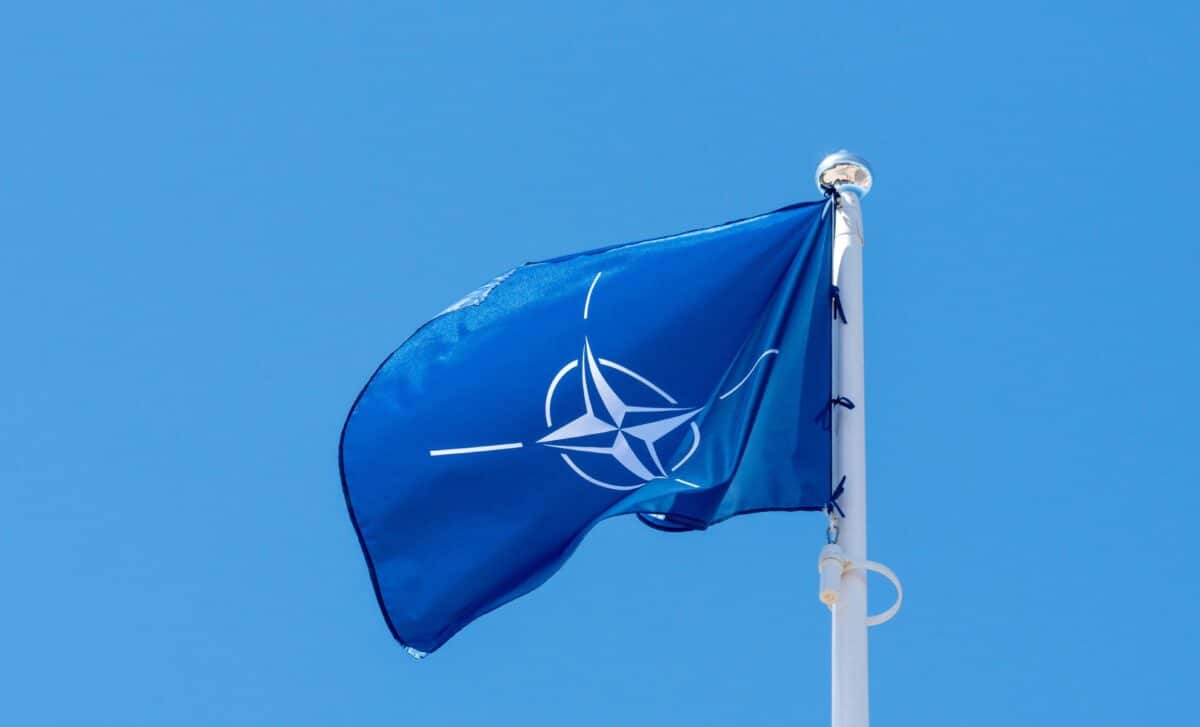
In a pointed critique that has stirred diplomatic attention, Charles Michel, former president of the European Council, publicly challenged the leadership of NATO Secretary General Mark Rutte, accusing him of aligning too closely with United States interests. The statement raises questions about the balance of power within the alliance and the future of European strategic autonomy.
Ukraine Accuses Russia of Using Starlink in Drone Strikes
Public Warning Over Perceived American Alignment
In a recent interview, Charles Michel urged Mark Rutte to refrain from acting as “an American agent,” voicing disapproval of what he sees as a disproportionate alignment with Washington’s interests. His comments come at a time when internal NATO dynamics are under scrutiny, especially concerning the alliance’s ability to operate autonomously and maintain unity among its members.
According to Euronews, the head of NATO should not be perceived as a spokesperson for U.S. policy but rather as a leader dedicated to upholding NATO’s collective balance.“I’m not expecting Mark Rutte to be an American agent. I’m expecting Mark to work for unity within NATO,” he said.
Criticism Of ‘Flattering Diplomacy’ And Strategic Dependence
Michel was particularly critical of what he termed “flattering diplomacy” toward the United States, arguing that this approach, attributed to Rutte, is unlikely to produce meaningful results. He warned that continuing along this path could weaken NATO’s political standing and increase the perception of dependency on American leadership.
The debate also extends to specific strategic areas, such as Greenland, where Michel cited “intimidation” and “threats” allegedly coming from the U.S. This, he claimed, undermines NATO cohesion. “What is going on with Greenland is not acceptable and I expect Mark Rutte to be a strong voice to defend the unity between NATO,” he added.
Navigating NATO’s Dual Identity Under Rutte
Since assuming office, Mark Rutte has consistently emphasized NATO’s transatlantic nature, asserting that Europe cannot defend itself without the United States.
He maintains that U.S. military capabilities remain central to the alliance’s deterrence and planning efforts, a viewpoint he has reiterated in multiple public statements. This position, while consistent with longstanding NATO doctrine, is increasingly being challenged by voices in Europe seeking more strategic autonomy.