
Facing rising geopolitical tensions in the Arctic, Finland is evaluating a strategic change to the deployment of its icebreaker fleet. The goal: to reduce vulnerability by spreading vessels across multiple ports, particularly in the north, rather than keeping them concentrated in southern hubs like Helsinki. While no final decisions have been made, this shift signals growing Finnish concern over security, maritime resilience, and proximity to Russian naval power.
Russian Drones Using Starlink? Elon Musk Hits Back With Sudden Ban
A Historic Fleet Model Under Review
Finland’s icebreaker fleet has long operated from a handful of southern bases. This centralization has served well for decades, supporting commercial shipping and winter logistics. But in today’s security context, Finnish authorities view this setup as a strategic liability.
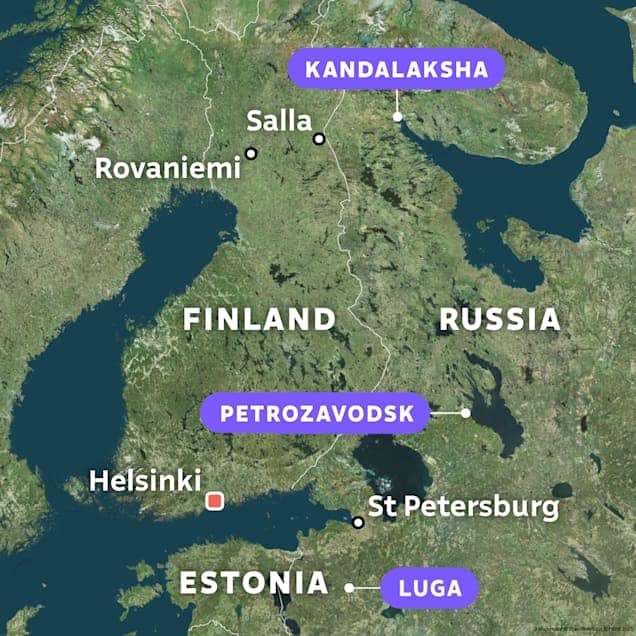
According to Finnish broadcaster Yle, the government is actively considering a geographical redistribution of its icebreakers to prevent a single point of failure. Ports like HaminaKotka and Helsinki, while convenient, could be vulnerable during hybrid or military conflicts. The rethink comes as Russia’s Arctic military posture becomes more assertive, with its own ice-capable naval fleet operating near Finnish waters.
Transport Minister Lulu Ranne confirmed the analysis is ongoing, calling the icebreaker dispersal “a very good option.” Still, she emphasized that the decision is part of a broader strategy addressing not just port access, but fleet governance, infrastructure upgrades, and investment planning, with more details expected in March 2026.
New Northern Ports Enter The Picture
As Finland looks north, cities like Oulu and Kemi are emerging as candidates to host icebreakers. In Oulu, two key locations are under consideration: Oritkari and Toppila. While both require upgrades, Oritkari appears most feasible in the short term, with a €5 million initial investment suggested for adaptation.
This northern shift offers several advantages. It puts vessels closer to the most ice-affected regions, boosts response times, and enhances strategic depth. In a crisis, having icebreakers spread across the country, rather than bottlenecked in a few southern ports, could be critical for both logistics continuity and military readiness.
Officials remain cautious. No timeline has been finalized, and full-scale port development would likely involve significant infrastructure costs. But the conversation marks a key evolution in Finland’s thinking about Arctic security.
Current Operations Already Stretched
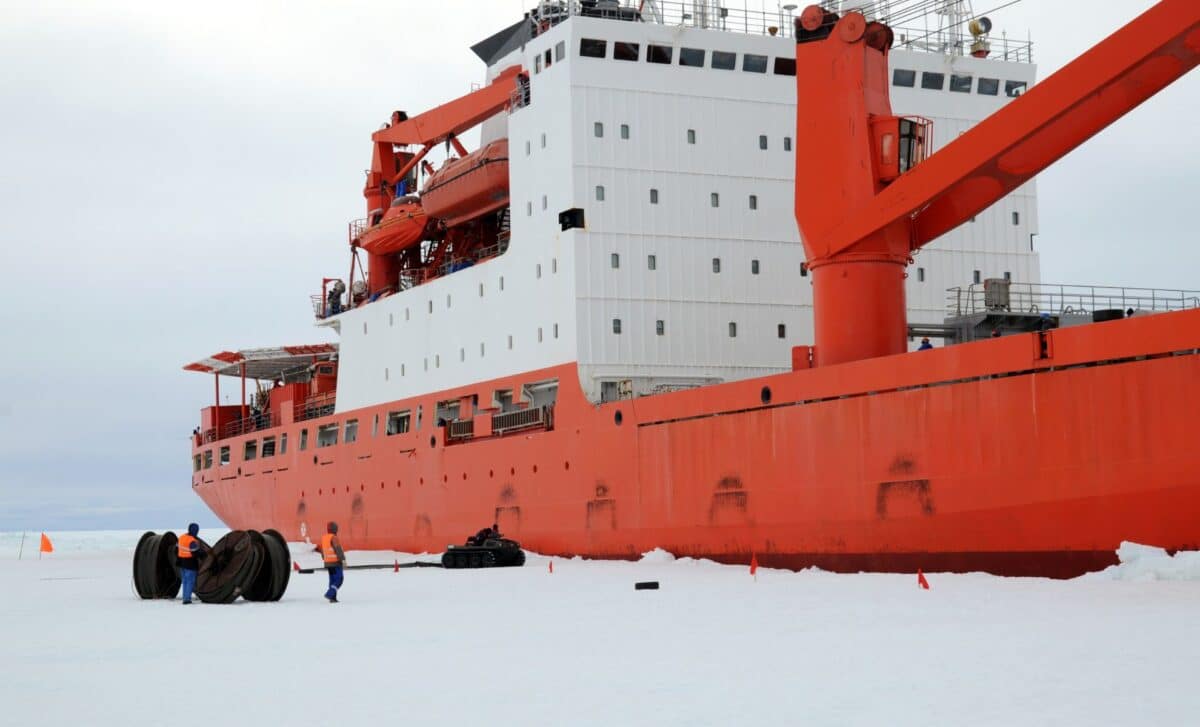
Meanwhile, Finland’s icebreaking fleet is working at near full capacity this winter. Seven major vessels, including the Polaris, Kontio, Voima, Otso, Urho, Fennica, and Nordica, are currently active across the Gulf of Bothnia and the Gulf of Finland. Operator Arctia has deployed ships rapidly as ice conditions intensified throughout late January and early February 2026.