
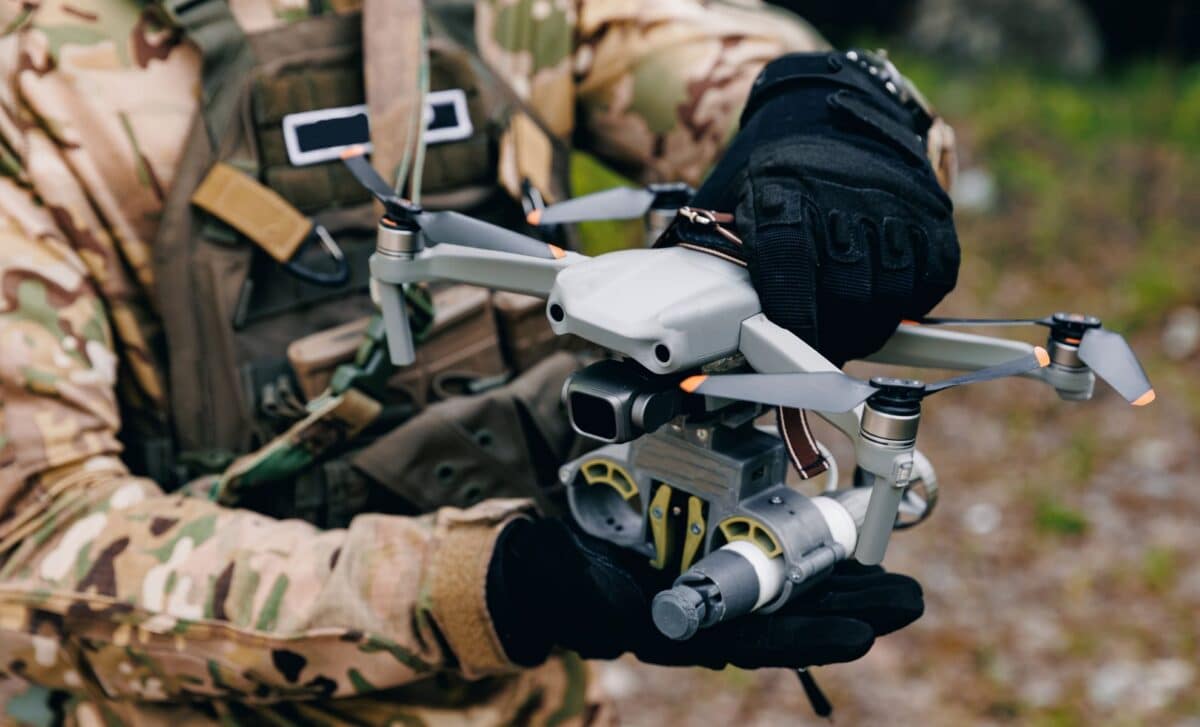
On February 3, 2026, U.S. forces shot down an Iranian drone over the Arabian Sea after it approached the USS Abraham Lincoln, an American aircraft carrier, in a threatening manner. This incident comes amid growing tensions between the U.S. and Iran, marked by frequent confrontations at sea and ongoing diplomatic negotiations over Iran’s nuclear program.
United Kingdom Reports Doubling of Drone Intrusions Near Sensitive Sites in One Year
A Military Incident in the Middle East
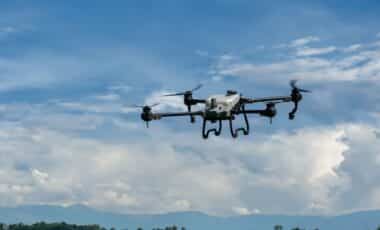
As stated by Reuters, the downed drone was a Shahed-139, a model used by Iranian forces for surveillance and potentially offensive operations. Multiple attempts were made to communicate with the drone to de-escalate the situation, but the drone did not change its course and approached within a dangerous range of the aircraft carrier. As a result, the U.S. military decided to shoot down the drone to ensure the safety of the crew.
This incident is not unique in the context of increasing confrontations between U.S. and Iranian forces in the Persian Gulf and surrounding areas. These types of incidents have become more frequent due to the ongoing U.S. military presence in the region and rising geopolitical tensions, particularly concerning Iran‘s military activities and its influence over strategic maritime routes.
U.S. Diplomacy Amid Military Escalation
Despite the military nature of the incident, the U.S. government quickly clarified that this was not an attempt to escalate tensions but rather a defensive measure. Officials emphasized that the decision to shoot down the drone was solely to protect U.S. forces, with no intention of initiating a conflict with Iran. However, this incident occurs at a time when the U.S. is engaged in intermittent and tense diplomatic negotiations with Iran over its nuclear program.
The event also highlights the diplomatic challenges the U.S. faces in the region. On one hand, there is the necessity to defend military assets and maintain the security of critical maritime trade routes, while on the other hand, the need to continue diplomatic dialogue with a country whose military actions are often seen as destabilizing. U.S. officials also reiterated their openness to future negotiations, although mutual trust between the two nations is at an all-time low.
How the Incident Affects the Region and Beyond
This incident has broader implications beyond U.S.-Iran relations. The Persian Gulf, and particularly the Strait of Hormuz, is a vital passage for much of the world’s oil exports. Any instability in this area has repercussions for the global economy, as evidenced by the increase in oil prices following the incident. The rising tensions between the two countries could further disrupt international trade and escalate insecurity in the region.
Also, the incident underscores the growing risk of military confrontation between the U.S. and Iran in an already volatile environment. The threat of escalation remains present, especially if Iran decides to respond militarily to the downing of its drone, as it has in the past with retaliatory actions. The international community continues to closely monitor these developments, particularly countries in the Middle East and those with strategic interests in the region.