
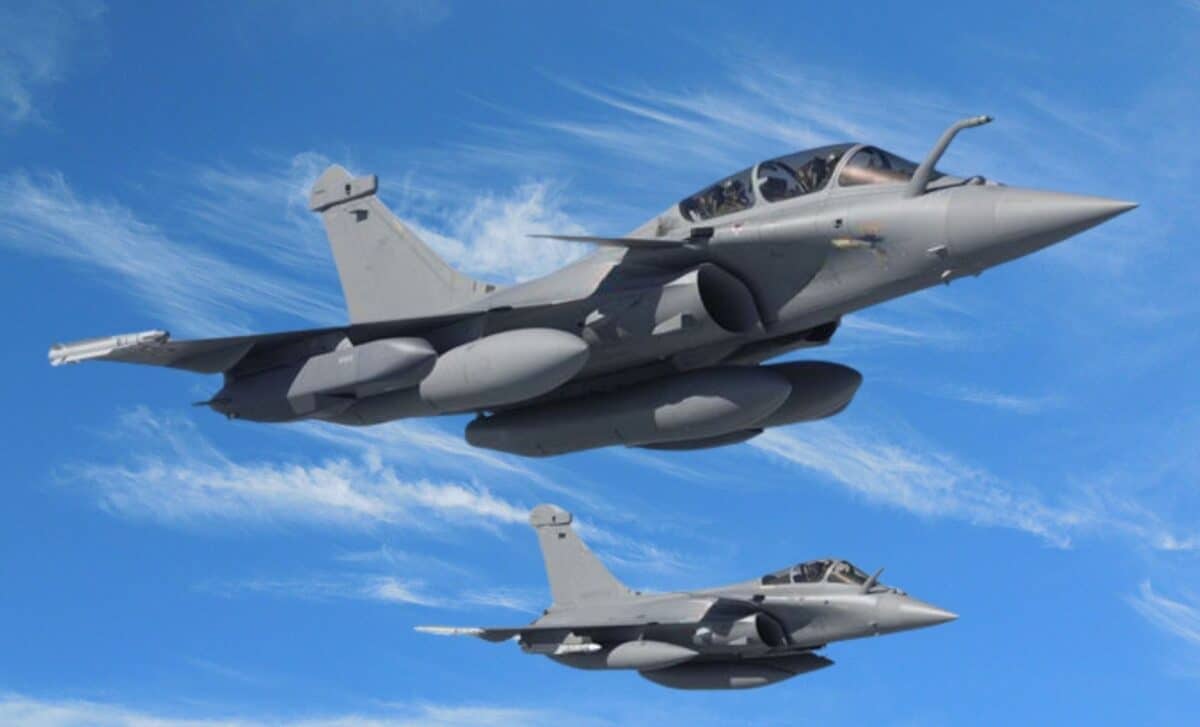
India is preparing to conclude a significant defense agreement with Dassault Aviation, involving the acquisition of 114 Rafale fighter jets. If finalized, this would mark the largest aviation contract in India’s history and significantly reinforce its strategic and industrial partnership with France.
Global Investors Just Backed A Defense Startup In Nigeria, Here’s What We Know
Expanding India’s Air Combat Fleet
The Indian Air Force (IAF) is under growing pressure to replace a large portion of its aging aircraft. After an initial order of 36 Rafale jets in 2016 worth €8.65 billion and a second deal for 26 additional units expected in 2025, India is now negotiating a far larger procurement.
The financial terms of the new contract remain confidential, but estimates place it in the range of tens of billions of euros, reflecting not only the size of the order but also its strategic significance. The agreement is expected to accelerate India’s military modernization program and enhance its long-term interoperability with France’s defense ecosystem.
Macron Heads To Finalize Talks
Diplomatic momentum around the deal has intensified ahead of a high-level visit by French President Emmanuel Macron, scheduled for February. Macron is set to attend a summit on artificial intelligence in India, but observers suggest the visit may also provide the ideal platform to finalize and sign the agreement.
This diplomatic backdrop could add symbolic weight to the announcement, reinforcing the depth of Franco-Indian defense ties and positioning both nations as strategic partners in an increasingly multipolar world.
Industrial Deal Expands
A core element of the agreement lies in its industrial dimension. In June 2025, Dassault Aviation and Tata Advanced Systems signed a key partnership aimed at establishing local manufacturing capabilities for the Rafale in India.
A facility under construction in Hyderabad is expected to produce up to 24 fuselages per year, with the first deliveries projected for 2028. The deal foresees up to 60% localization, in alignment with India’s “Make in India” policy and its broader push for defense self-reliance.
The integration of local production not only strengthens India’s aerospace sector, but also ensures long-term technological collaboration between the two countries.