
With Europe’s security landscape facing long-term instability, Sweden is making a decisive move to reinforce its ground-to-air defense capabilities. The government has confirmed a €1.4 billion investment aimed at shielding both its armed forces and key urban and infrastructure targets. This initiative reflects a long-term strategic vision, shaped by recent conflict dynamics and the need to ensure protection across the entire national territory.
Trump’s Defense Plan Could Add $5.8 Trillion to U.S. Debt: A Strategic Gamble for the Nation
A Shift Toward Mobile And Adaptive Air Defense
Sweden will invest 15 billion kronor (roughly €1.4 billion) to strengthen its response to emerging aerial threats. The decision comes in response to identified gaps in the country’s ability to counter modern airborne attacks. Threats such as armed drones, cruise missiles, and attack helicopters are now considered realistic risks, even in areas far removed from conventional battle zones.
At the heart of this strategy lies a simple principle: comprehensive national defense. The objective is to guarantee uninterrupted military operations while also protecting large population centers and vital infrastructure. Prime Minister Ulf Kristersson highlighted the need for a defense system capable of handling simultaneous, multi-front attacks.
Unlike traditional fixed-site systems, the future defense setup will rely on mobile, autonomous units distributed across the country. These can be deployed based on operational requirements or strategically stationed in high-risk zones. This flexible model aligns with evolving European defense doctrines.
Short-range Systems Designed For Rapid Response
The new Swedish air defense system will center on short-range capabilities, well-suited to countering fast-moving, low-visibility threats. Each unit, roughly the size of a company, will integrate sensors, radars, and interceptor systems to ensure early detection and immediate response.
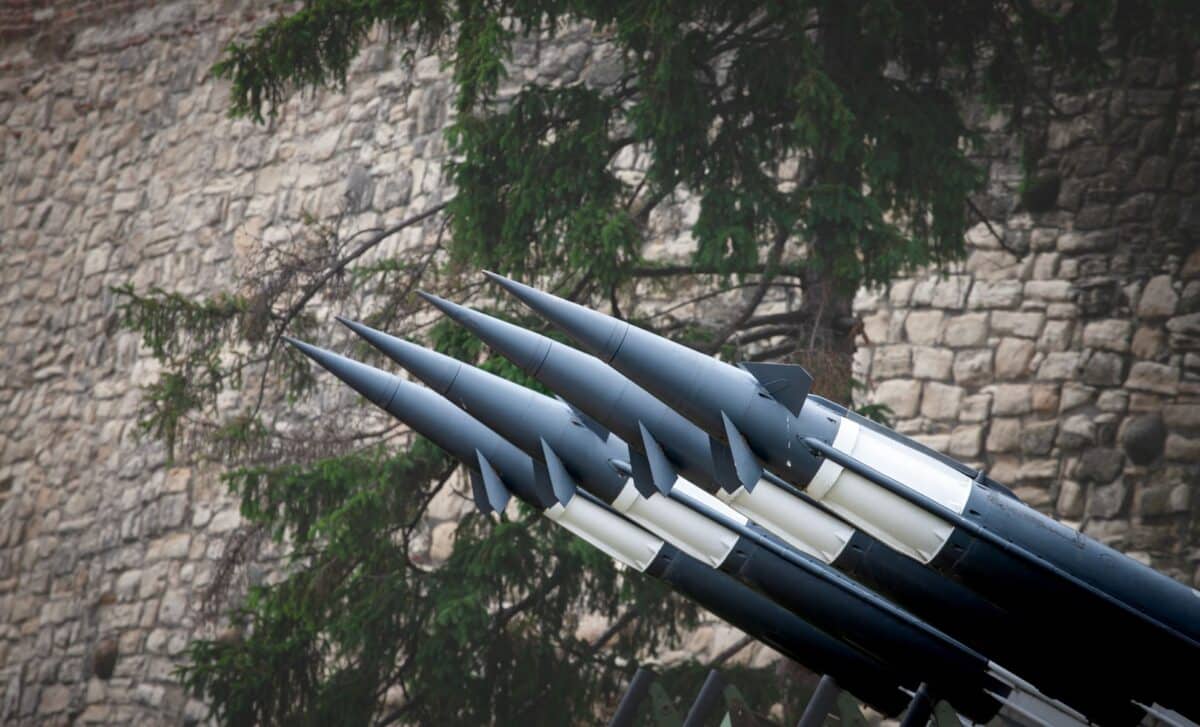
Modularity will be a key feature of the system. Swedish defense planners aim to integrate a mix of technologies and weaponry, including anti-aircraft guns, surface-to-air missiles, and anti-drone platforms, into a cohesive and flexible architecture. This design allows the system to evolve over time and prevents reliance on a single provider or platform.
Protecting civilian infrastructure is a central focus. Key sites like major bridges, rail junctions, and energy facilities will be covered by the system to reduce the country’s vulnerability to strategic attacks that could disrupt the economy or essential services.
Deployment Begins In 2026
The first round of equipment purchases is expected in early 2026, with further acquisitions planned in phases. This approach allows for a gradual rollout while managing budget constraints and incorporating evolving technologies. The plan builds on earlier commitments by the Swedish government to modernize its air defense systems and invest in surface-to-air missile capabilities.
Sweden’s new investment confirms its intent to confront modern threats with a defense model that is flexible, distributed, and future-ready.