
Elon Musk’s SpaceX has introduced technical restrictions on its Starlink satellite internet service following reports that Russian forces may have used the system in military operations. The move reflects increasing concerns about the repurposing of commercial technology in active conflict zones and the challenges in maintaining control over global infrastructure deployed in unstable regions.
Trump Warns Iran: No Nuclear Deal Could Mean U.S. Military Response
Military Drones Exploit Starlink Network
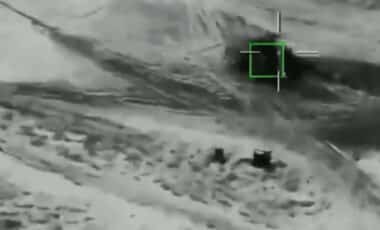
Ukrainian defense officials recently reported that Russian military units have begun operating unmanned aerial vehicles (UAVs) equipped with Starlink terminals. These observations, shared by Ukrainian intelligence sources, suggest that the terminals were used to maintain secure communication links between drones and ground operators, enabling tactical coordination in real time.
The terminals in question were not supplied by SpaceX to Russia, where the service is not authorized. Instead, their appearance on the battlefield raises concerns about indirect procurement channels, including potential transfers through third-party countries or the acquisition of devices from resellers operating in permissive jurisdictions. There is also the possibility that some terminals were captured or repurposed after being lost during combat.
While the total number of such devices in use by Russian forces remains unknown, their presence has drawn international attention due to the implications it carries for battlefield communication capabilities. Ukrainian forces have relied heavily on Starlink for secure communications since the early days of the invasion, making any parallel use by Russian units a potentially significant development.
SpaceX Implements Access Control Measures
In response to these reports, SpaceX confirmed that it had enacted technical safeguards to restrict unauthorized usage of Starlink. In a public statement, the company reaffirmed that its service is not active in Russia and is not permitted for use by the Russian government or military.
“Looks like the steps we took to stop the unauthorised use of Starlink by Russia have worked. Let us know if more needs to be done,” SpaceX CEO Elon Musk said on X.
These countermeasures likely include a combination of geofencing, traffic monitoring, and enhanced user authentication protocols. This action is consistent with earlier policy decisions, such as limiting the use of Starlink in areas near the front lines in Ukraine to prevent escalatory operations.
Evolving Role Of Private Satellite Services In Warfare
The situation highlights the growing role of commercial satellite networks in modern conflicts. Initially developed for civilian applications, services like Starlink now play a critical part in military logistics and coordination, particularly in environments where traditional infrastructure has been degraded or destroyed.
This dual-use capability presents regulatory and ethical challenges. Commercial operators are not typically bound by military agreements, yet their technologies can have a direct operational impact in active war zones. As such, companies like SpaceX are increasingly required to monitor the end use of their services and respond to misuse with technological controls.