
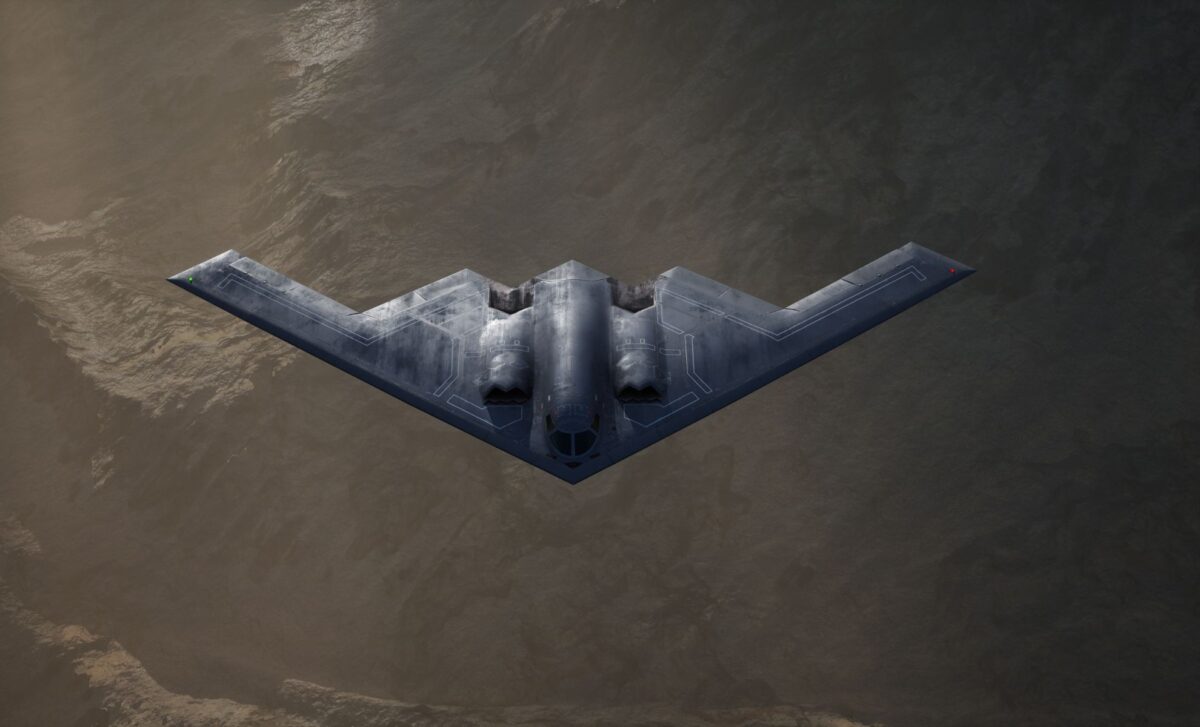
The iconic Northrop Grumman B-2 Spirit, operated by the United States Air Force, recently featured in one of the most intense military operations of the modern era. Frequently deployed for ultra-long-range missions exceeding 40 hours, such as Operation “Midnight Hammer”, the B-2 demands extraordinary physical and mental endurance from its crews. What makes this aircraft and these missions so exceptional?
India Reconsiders Naval Partnership as Germany Emerges in $8B Submarine Deal
B-2 Spirit: A Technological Gem
Recognizable by its flying wing design, the B-2 has been a key part of the U.S. strategic fleet since its unveiling in 1988 and maiden flight in 1989. Only 18 units remain in service. As a multi-role stealth bomber, the B-2 is capable of deploying both B61 and B83 gravity bombs, with internal bomb bays that preserve its low radar profile.
The aircraft also carries the GBU-57 Massive Ordnance Penetrator (MOP), a weapon designed to break through dozens of meters of hardened underground targets. Onboard systems include the AN/APQ-181 radar with AESA (Active Electronically Scanned Array) architecture, and advanced flight controls that help reduce pilot workload during long operations.
Enduring Long Missions Onboard
The B-2’s cockpit is surprisingly spacious, allowing crew members to stand up and access a bunk installed behind the ejection seats. With just two pilots operating the aircraft during these marathon missions, Crew Resource Management (CRM) becomes vital in managing fatigue and maintaining alertness.
Pilots follow a strict rotation schedule, alternating 2–3 hour naps with cockpit duties. When needed, “go pills”, prescription stimulants, may be used to stay awake. Sleeping is made difficult by engine noise and a flight path that follows daylight, which can disrupt circadian rhythms.
“You’ve got to be productive and get things done, so you can start taking turns taking naps and getting ahead of that, because as soon as you get behind the power curve, it’s kind of hard to recover,” explained Capt. Mike Haffner serves with the 13th Bomb Squadron and heads the operations of the B-2 flight simulation systems.
To support the crew’s basic needs, the aircraft is equipped with chemical toilets and a compact microwave for simple meals.
A Mission of Extreme Intensity
Operation “Midnight Hammer” mobilized seven B-2 bombers, alongside tankers and decoys, to strike three Iranian strategic sites. In total, more than 125 aircraft were involved in this complex raid, described by former B-2 pilot Melvin G. Deaile as a “human achievement.”
Some aircrews were alerted only shortly before takeoff and had to endure 37 hours of highly stressful flight, with constant technical and psychological demands. For veterans like Deaile, who once flew a 44-hour combat mission over Afghanistan in 2001, the success of the operation reflects a rare blend of advanced aviation technology and crew resilience.