
The United Kingdom’s Ministry of Defence has confirmed a dramatic increase in unauthorized drone activity near sensitive military locations, highlighting an unsettling shift in how low-cost aerial technology is being used to challenge national security frameworks. With incidents doubling over the past year, the British government is racing to adapt its response strategies amid growing signs that these incursions may be part of wider hybrid threat operations.
Finland Just Made a Move That Has Russia Watching Closely
Spike In Drone Incursions Points To Evolving Tactics
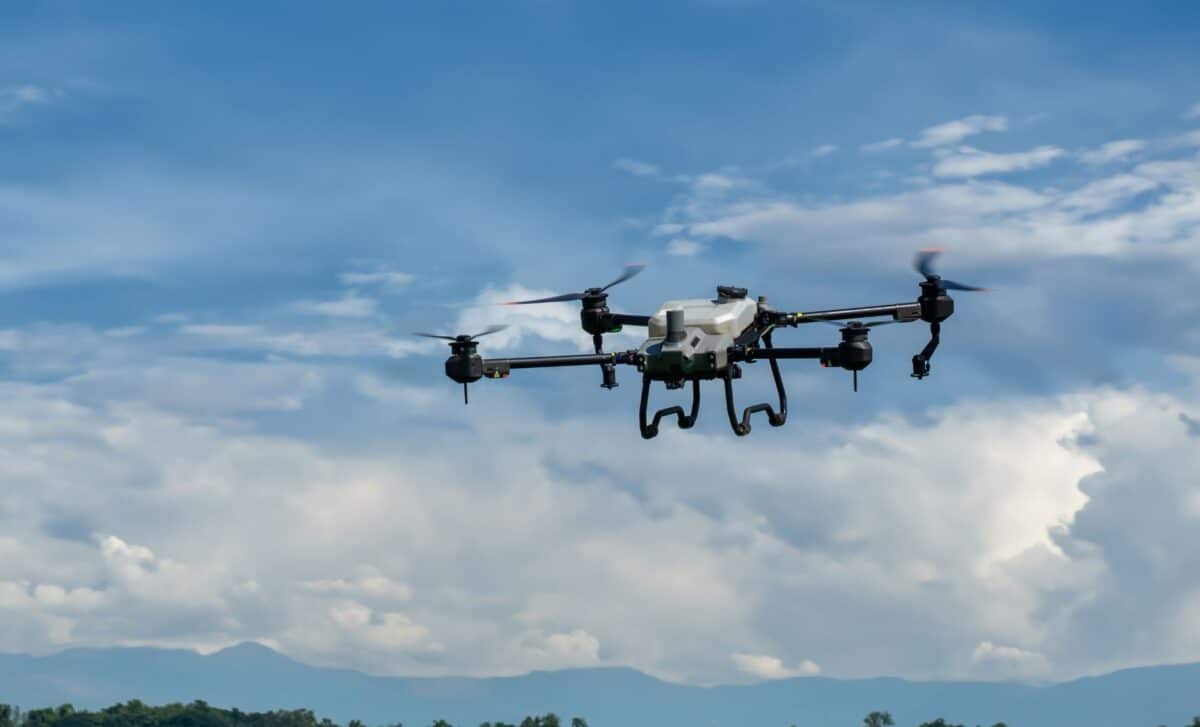
In 2025 alone, 266 drone incidents were recorded around key defense installations across the UK, compared to 126 incidents in 2024, according to official data released on February 2, 2026. These figures confirm what experts have suspected: drone overflights are no longer rare or accidental, but instead have become frequent, targeted, and potentially coordinated.
Defense Secretary John Healey linked the surge to what he described as the “changing nature of threats” the United Kingdom faces. He referred to the rise in so-called rogue drones as an indicator that adversaries are now exploiting cheap, mobile, and hard-to-trace platforms to probe, distract, or test British defense systems.
Unlike traditional surveillance tools, drones leave ambiguous signatures. Their operators could be hobbyists, activists, or foreign actors; and often, it’s impossible to tell. But the consequences are the same: each unauthorized drone forces a security lockdown, response mobilization, and site investigation, which in turn drains resources and raises the risk of critical vulnerabilities being exposed.
Hybrid Tactics Behind Border Moves
The United Kingdom is not alone in facing this type of activity. Report The Record suggest a coordinated rise in drone sightings across NATO-aligned nations, with incursions reported above military bases, civilian infrastructure, and energy facilities, often hundreds of kilometers from the active conflict zones.
European Commission President Ursula von der Leyen has publicly warned that these events must be taken “very seriously,” signaling growing concern that the drone phenomenon may be part of a wider hybrid interference campaign. Though no country has been officially blamed, Russian military tactics have previously included the use of drones to gather intelligence, disrupt logistics, and test response times, all without crossing traditional war thresholds.
In response, UK analysts are shifting their focus to intent over identity. Even if no direct attribution is possible, the pattern of repetition suggests a strategic objective: to map security protocols, collect routine data, or create low-grade chaos that forces continuous vigilance.
UK Boosts Counter-Drone Capabilities
Facing this surge, the United Kingdom has introduced a new counter-drone policy that dramatically broadens response authority. Authorized personnel are now permitted to intercept or neutralize drones near defense sites without needing police approval. This marks a significant shift from previous rules that often caused costly delays in urgent situations.
This legal update is paired with a massive budget increase. Anti-drone spending has quadrupled under the current government, reaching £200 million in the current fiscal year. These funds support the creation of restricted airspace zones around 40 critical defense sites, and include £20 million earmarked for digital modernization of surveillance and response systems.
The Ministry of Defence also signaled that upcoming legislation will address ground-based and underwater drones, reflecting a growing awareness that modern threats are multi-domain. From covert land-based surveillance to undersea sabotage attempts, the perimeter of national defense is now being redrawn in every direction.