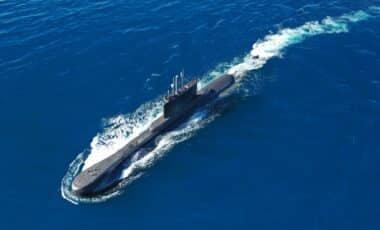

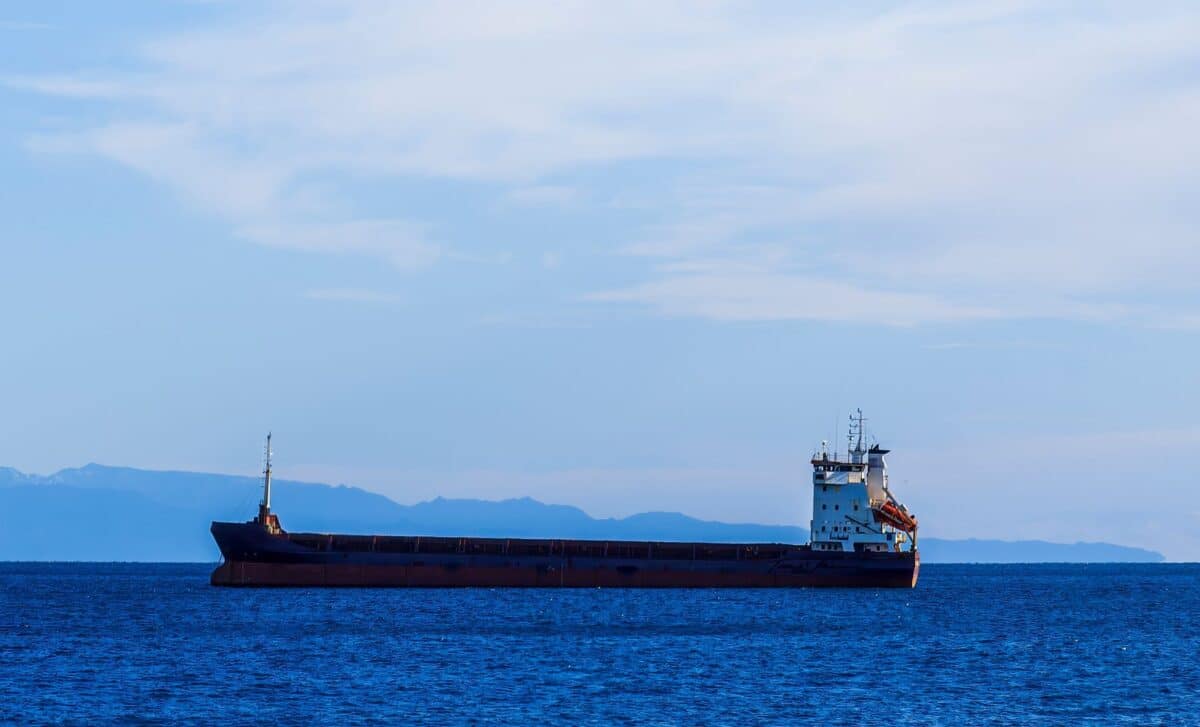
Russia has sent navy reinforcements to escort the Marinera, an aging oil tanker that has become the center of a growing maritime standoff between Moscow and Washington. The U.S. military’s ongoing pursuit of the vessel, which is suspected of transporting oil from countries like Russia, Venezuela, and Iran, highlights the ongoing tensions between the two powers. Russia’s response, including the deployment of a submarine and other naval assets, underscores the increasingly volatile nature of global maritime affairs.
Russia’s Latest Drone Move Could Make Ukrainian Helicopters a Sitting Duck
Tanker’s Evasion Sparks International Attention
According to TVP World, the conflict began when the American Coast Guard attempted to seize the Marinera, which had previously been known as Bella 1. The ship, suspected of being part of the “shadow fleet”, a network of vessels used to bypass Western sanctions, managed to thwart the U.S. efforts by dramatically changing its course.
However, the U.S. military’s focus on the Marinera did not waver. American officials confirmed that they were still planning to seize the vessel, believing it to be part of a larger network of ships facilitating oil trade with sanctioned nations.
A Growing Diplomatic Standoff
Following the reflagging of the Marinera, the U.S. temporarily halted its pursuit to avoid further diplomatic fallout. Despite this, tensions remain high, with Russia accusing the U.S. and NATO forces of placing disproportionate attention on the ship. Russia’s Ministry of Foreign Affairs stated:
“At present, our vessel is sailing in the international waters of the North Atlantic under the state flag of the Russian Federation and in full compliance with the norms of international maritime law.”
For its part, the U.S. Southern Command reiterated that it was “ready to support our U.S. government agency partners in standing against sanctioned vessels.” This statement signals that Washington is prepared to take further action if necessary, although the legal and diplomatic ramifications of such a move remain complex.
International Law and Seizure Plans
One of the central questions in this ongoing saga revolves around international maritime law. Under such laws, vessels flying a country’s flag are generally protected from foreign intervention, but there are restrictions, particularly if a ship changes flags mid-voyage.
Dimitris Ampatzidis, a senior analyst at maritime intelligence firm Kpler, explained that the name and flag changes of the Marinera might not have a significant impact on U.S. plans.
“U.S. action is driven by the vessel’s underlying identity [IMO number], ownership/control networks, and sanctions history, not by its painted markings or flag claim,” Ampatzidis stated.
This legal nuance complicates the situation, as the Marinera’s true ownership and control are key factors that could determine its fate.