
On January 3, 2026, the United States executed a dramatic military operation in Venezuela, capturing President Nicolás Maduro and sparking global outrage. Officially justified as an anti-drug mission, the offensive has reignited suspicions that oil is the true driver behind Washington’s boldest move in Latin America in decades.
Ukraine Unveils Long Neptune Missile With 1,000 KM Strike Range
Operation “Absolute Resolve”: A Swift and Decisive Strike
In the early hours of January 3, 150 American aircraft and elite special forces launched precision strikes on Caracas, targeting key military and security installations. The operation, codenamed Absolute Resolve, unfolded with striking coordination and speed. Within hours, Venezuelan President Nicolás Maduro and his wife, Cilia Flores, were captured and flown to New York, where they are reportedly being held without public charges.
According to Reuters, the U.S. administration described the mission as a “necessary enforcement action” against narcotrafficking, citing long-standing indictments against the Maduro regime. The attack, however, lacked any international mandate, drawing immediate criticism from foreign governments and legal scholars alike.
In Venezuela, the fallout was immediate. The Supreme Court declared the attack an act of war while installing Delcy Rodríguez, as interim president. Local reports confirmed dozens of casualties, including at least 32 Cuban nationals, triggering diplomatic protests from Havana.
Oil Reserves: The Hidden Asset Behind the Headlines
Data and analysis contradict the official U.S. justification for the intervention. Countries like Colombia, Mexico, and Peru have far higher volumes of narcotrafficking than Venezuela, whose role in global cocaine transit is considered marginal by independent experts.
This discrepancy has raised serious doubts about the legitimacy of Washington’s stated motives and suggests that the anti-drug narrative may not hold up under scrutiny. For many analysts, the real motive is oil. Venezuela holds the world’s largest proven oil reserves, estimated at over 300 billion barrels, yet much of it remains untapped due to U.S. sanctions, political instability, and lack of investment.
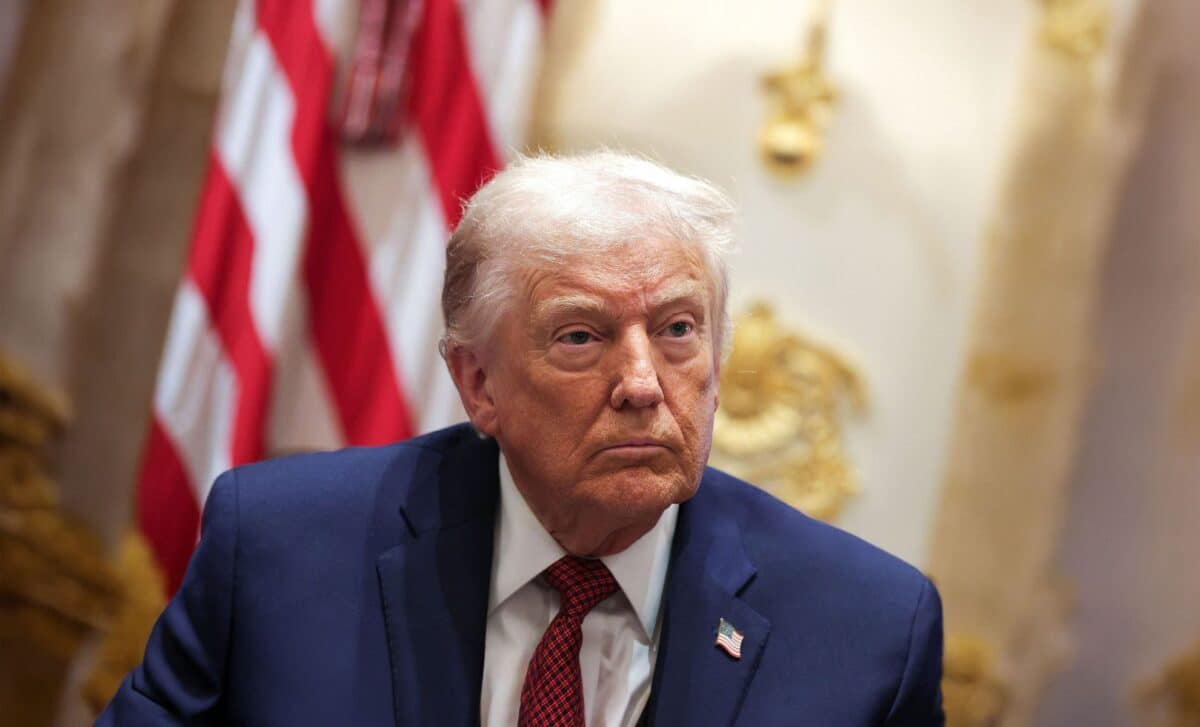
In a speech following the operation, Donald Trump said that, “We’re going to have our very large United States oil companies — the biggest anywhere in the world — go in, spend billions of dollars, fix the badly broken infrastructure, the oil infrastructure.” With companies like Chevron and ExxonMobil previously active in the country, their return now appears imminent.