
As geopolitical tensions increase between major economic powers, SAP, the German enterprise software company, is receiving renewed strategic attention. Deeply integrated into corporate systems across the globe, including the United States, SAP is becoming more than just a business solution. It is also viewed as part of Europe’s digital sovereignty and a potential asset in future economic conflicts.
13,500 Buildings Targeted: Norway’s Plan to Seize Civilian Assets in Wartime Revealed
Enterprise Software with Global Influence
Founded in Germany in 1972, SAP (Systems, Applications, and Products in Data Processing) has grown into one of the most widely used ERP (Enterprise Resource Planning) platforms worldwide. Its software integrates and manages a broad range of business functions including finance, supply chains, logistics, human resources, and sales within a single system.
Its strength lies in helping large organizations streamline operations, improve efficiency, and respond quickly to market changes. As industries shift toward greater automation and data-driven management, demand for ERP solutions continues to rise. Analysts project the global ERP market will surpass $100 billion in the coming years, with SAP positioned as one of the top providers alongside Oracle and Microsoft.
While SAP is a European company, it serves a truly global client base. A large number of US-based multinationals rely on SAP systems for their day-to-day operations, making it an essential part of the global digital infrastructure.
Business Continuity At The Mercy Of Code
The deep integration of SAP into thousands of enterprise systems has created a significant level of dependency. For many companies, especially in manufacturing, finance, and logistics, any disruption to SAP services could directly affect production, supply chains, or financial reporting.
This dependency gives SAP a strategic dimension beyond its technical function. The software is increasingly seen as part of the critical infrastructure of the modern economy. Some European analysts have raised the possibility that, in a scenario of heightened economic conflict, SAP’s role could become a point of leverage in negotiations with global partners including the United States.
Such a scenario remains hypothetical, but it reflects a growing recognition that software platforms can carry geopolitical weight. Unlike consumer-facing platforms, ERP systems are embedded in core business functions, making them harder to substitute or disengage from.
European Position In A Shared Ecosystem
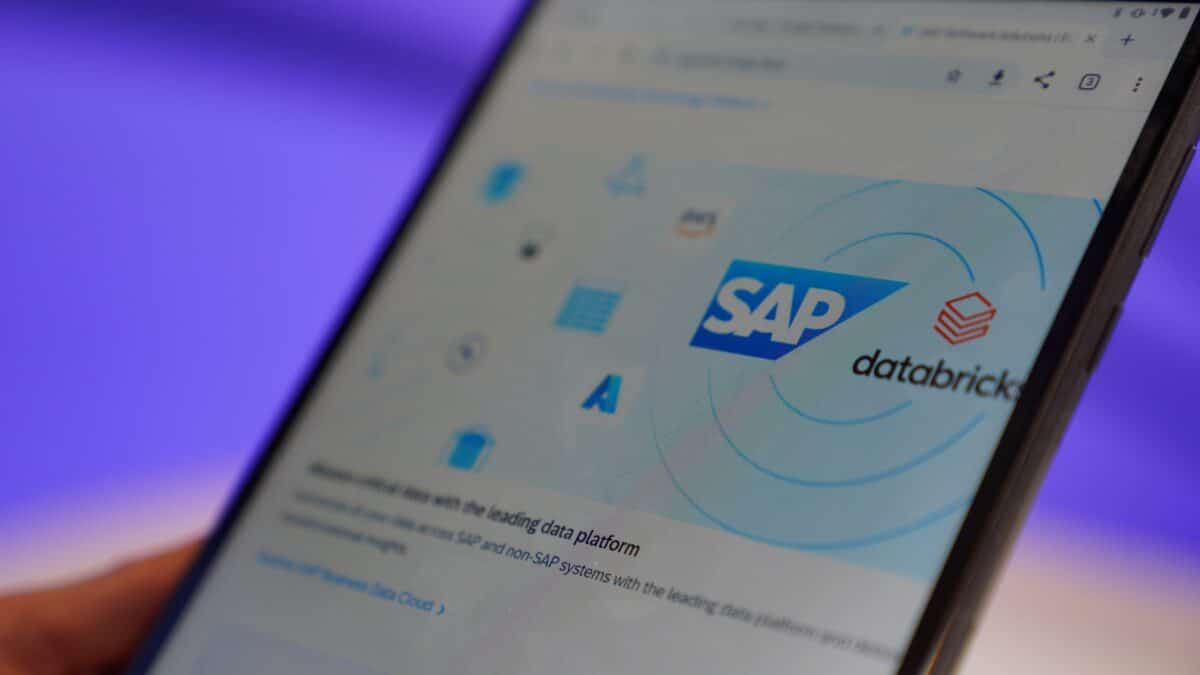
Despite SAP’s European roots, its services rely in part on American cloud infrastructure. Providers such as Amazon Web Services (AWS) and Microsoft Azure host a portion of SAP’s offerings, creating shared dependencies between the two regions. This interconnectedness makes any unilateral move to restrict access highly complex and potentially disruptive for both sides.
Regulators in both Europe and the United States have launched antitrust investigations into SAP’s market practices. These reflect concerns that the company’s dominant position could hinder competition or limit customer choices.