
Germany is set to deliver additional IRIS-T SLM air defense systems to Ukraine, reinforcing its position as one of Kyiv’s most committed European allies. As Russian air assaults escalate against civilian and strategic targets, Berlin’s move signals a sustained effort to strengthen Ukraine’s ability to defend its skies with advanced Western technology.
US Air Force Unveils Sweeping Reform With Air Expeditionary Wing 2.0
IRIS-T: From Tactical Support to Strategic Backbone
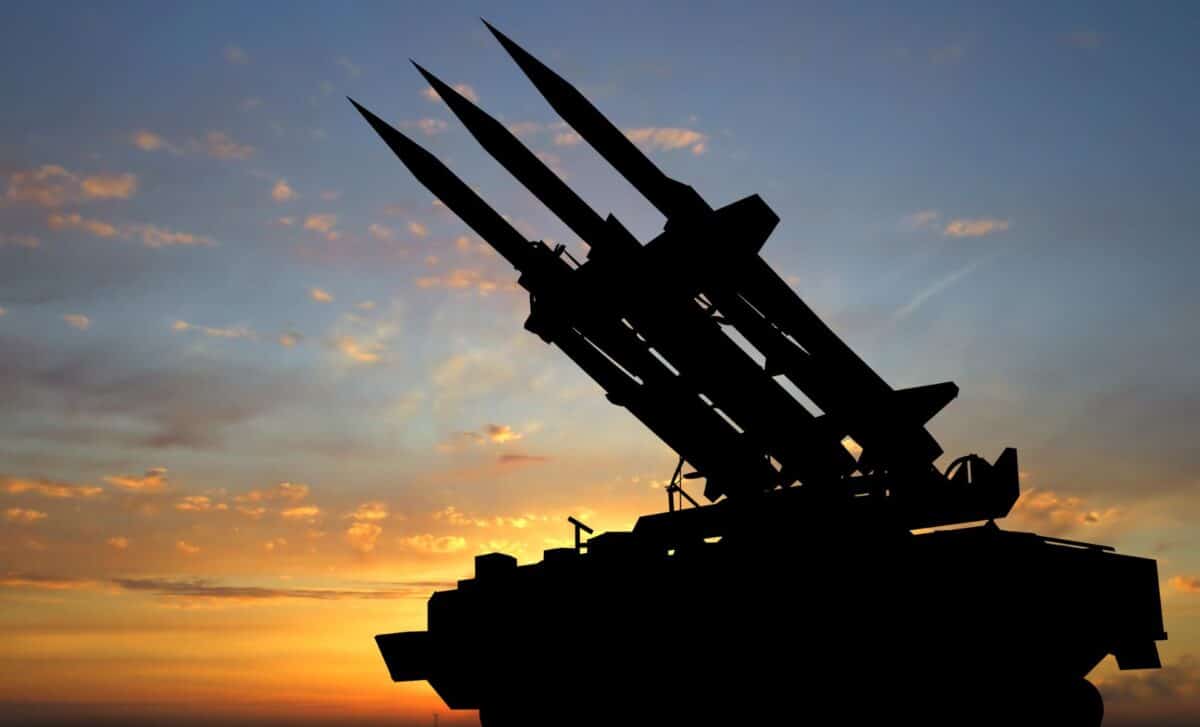
Germany’s decision to supply IRIS-T SLM missile systems has evolved from short-term aid to a cornerstone of Ukraine’s air defense architecture. Manufactured by Diehl Defence, the IRIS-T is designed for medium-range interception of threats like cruise missiles, drones, and combat aircraft. Its radar-guided precision, high mobility, and NATO interoperability make it particularly suited for Ukraine’s fast-moving battlefield requirements.
With nine systems already delivered and nine more on order, Ukraine is halfway to completing its initial acquisition plan. This steady flow has transformed the IRIS-T from a symbolic gesture into a tactical asset with strategic implications. In combination with other Western-supplied systems, the IRIS-T is helping Ukraine build a multi-tiered air defense grid capable of handling complex and sustained aerial threats.
Delivery Timeline and Industrial Constraints
Germany’s military aid strategy is defined as much by logistical capacity as by political will. Defense Minister Boris Pistorius has openly acknowledged that while Germany remains committed to Ukraine, its defense industry faces limits. The Patriot system, for example, cannot be further supplied in the short term due to domestic shortages and replacement cycles, according to European Pravda.
This reality has shifted focus toward the IRIS-T, which is more readily available and easier to produce at scale. According to Ambassador Heiko Thoms, additional systems will be delivered “soon,” though exact dates remain undisclosed. The measured pace of these deliveries reflects Berlin’s attempt to maintain consistent support without compromising its own defense readiness.
A Layered Air Defense Strategy Takes Shape
Ukraine’s air defense is no longer a patchwork of legacy systems, it is fast becoming a coordinated, layered network blending both Eastern and Western technologies. The IRIS-T plays a central role in this transformation, filling the gap between high-altitude platforms like the Patriot and short-range solutions like Gepard or Crotale.
Each IRIS-T unit is deployed with a specific mission: shielding urban areas, critical energy infrastructure, or logistics corridors from Russian missile and drone attacks. The system’s high interception rate reduces pressure on scarcer high-end assets, making the entire defense matrix more sustainable. This integration effort is critical as Russia increases the frequency and range of its strikes, forcing Ukraine to defend multiple fronts simultaneously.