
France is set to launch one of the largest military exercises in its modern history with Orion 2026, beginning on February 8, 2026, and continuing through April 30, 2026. Spanning almost three months, the operation involves more than 12,500 French troops, support from 24 foreign nations, and a deployment of 140 aircraft and 25 naval vessels, including the aircraft carrier Charles de Gaulle. This expanded version of the 2023 Orion exercise represents a shift toward preparing for high-intensity, multi-domain conflicts with state-level adversaries.
Structured around full-spectrum operations, Orion 2026 tests joint force readiness, coalition interoperability, and the French Armed Forces’ ability to sustain combat over extended periods. The scale and complexity of this year’s edition mark a step forward in France’s strategic posture and its contribution to collective European and NATO defense capabilities.
This Massive Military Plane Just Landed in Mexico, Here’s What It Can Do
Integrated Operations Across All Military Domains
According to France’s Ministry of the Armed Forces, one of the defining features of Orion 2026 is its emphasis on multi-domain coordination. The exercise includes simultaneous operations across land, air, sea, space, cyber, and information warfare environments. By design, the training mirrors scenarios where adversaries use a combination of kinetic force, digital disruption, and hybrid tactics to challenge national defense systems.
Land forces will coordinate with air and naval units to simulate large-scale maneuver warfare. At the same time, cyber units and space assets will engage in simulated attacks on communication networks and satellite-based systems. The incorporation of electronic warfare, logistics disruption, and disinformation campaigns reflects the increasing complexity of modern conflicts.
Partner nations participating in the exercise will integrate into the chain of command and planning phases, aligning procedures with NATO standards. This ensures that the simulation not only prepares national forces for high-intensity warfare but also strengthens interoperability with allied countries, a critical factor in any future joint response.
Accelerating Air-Sea-Unmanned Deployment
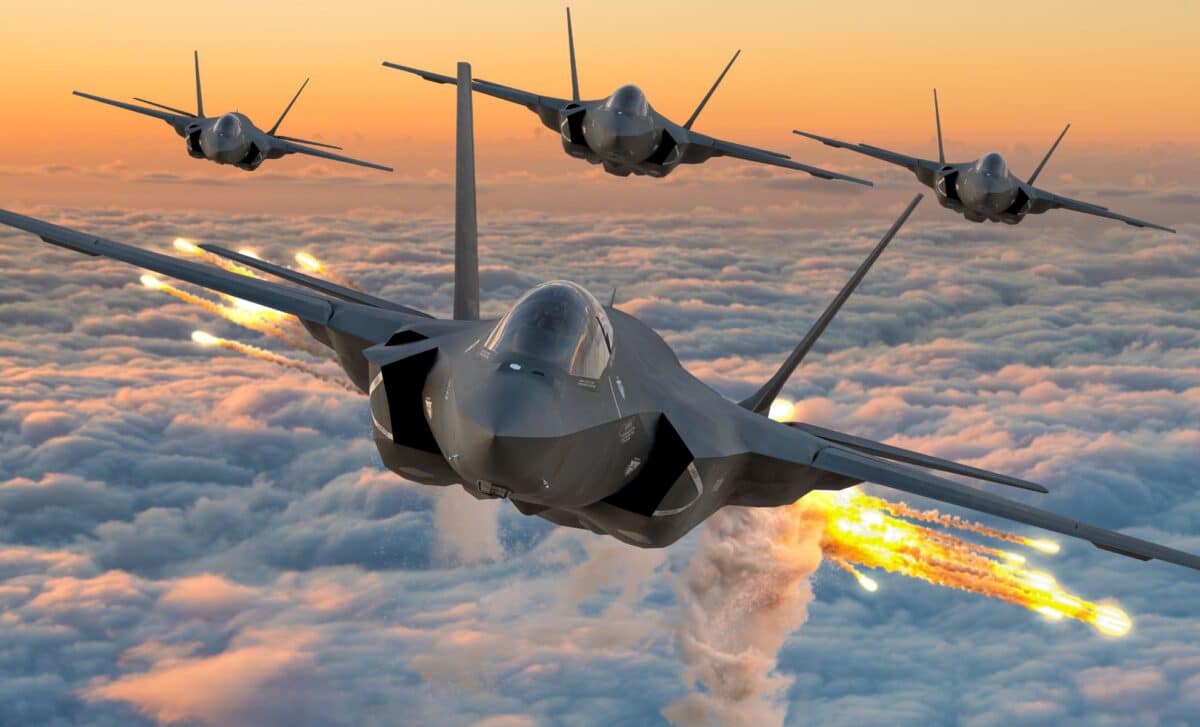
Orion 2026 introduces a significant increase in the number and diversity of military platforms. The aerial component includes fighter aircraft, strategic and tactical transport, helicopters, and surveillance drones, enabling a wide range of missions from air superiority to close support and reconnaissance.
One notable feature is the use of more than 1,200 drones, deployed for surveillance, target designation, and electronic countermeasures. These unmanned systems offer new operational capabilities, particularly in contested or dangerous environments where manned missions would carry higher risk.
At sea, France’s naval assets are led by the aircraft carrier Charles de Gaulle and its battle group. These vessels will support amphibious landings and force projection scenarios in both coastal and open-sea environments. Maritime operations will also include simulated blockade enforcement and counter-submarine warfare, reflecting strategic roles in future large-scale naval engagements.
The integration of modern platforms, unmanned systems, and traditional capabilities aims to create a responsive, flexible joint force capable of adapting to evolving threats in real time.
Strategic Review for Force Design
Beyond training, Orion 2026 is designed as a strategic evaluation platform for the French military. The extended timeframe, complexity of scenarios, and multinational nature of the exercise will provide data on operational endurance, coordination efficiency, and equipment performance under stress.
Military planners will use insights gained from the exercise to shape future doctrine, procurement decisions, and organizational changes. Key areas of assessment include logistics resilience, command structure adaptability, and the military’s ability to operate in environments where communications and infrastructure are contested or denied.
By aligning training with real-world conditions, Orion 2026 acts as a tool for long-term transformation. It supports the modernization of the French Armed Forces while enhancing NATO’s overall readiness for state-level conflict scenarios.